Home with a particular type of ownership or use rights Barnsdale Hall Hotel (UK) timeshare lodges. On the premises of the Finest Western Hotel are a number of lumber A-frame chalets. A timeshare (often called vacation ownership) is a home with a divided form of ownership or usage rights. These residential or commercial properties are typically resort condo units, in which numerous celebrations hold rights to use the property, and each owner of the same lodging is allotted their duration of time. Units might be sold as a partial ownership, lease, or "right to use", in which case the latter holds no claim to ownership of the property.

The term "timeshare" was created in the United Kingdom in the early 1960s, broadening on a vacation system that became popular after World War II. Villa sharing, likewise called vacation house sharing, included 4 European households that would acquire a vacation cottage jointly, each having exclusive use of the home for one of the four seasons. They rotated seasons each year, so each family delighted in the prime seasons equally. This idea was primarily utilized by associated households since joint ownership needs trust and no home manager was involved. do you get a salary when you start timeshare presentations disney tickets timeshare during training. However, few families holiday for an entire season at a time; so the villa sharing residential or commercial properties were often vacant for long durations.
It took nearly a years for timeshares in Europe to evolve into an efficiently run, effective, organization endeavor. The very first timeshare in the United States was started in 1974 by Caribbean International Corporation (CIC), based in Fort Lauderdale, Florida. It used what it called a 25-year vacation license instead of ownership. The business owned two other resorts the trip license holder might alternate their holiday weeks with: one in St. Croix and one in St. Thomas; both in the U.S. Virgin Islands. The Virgin Islands homes began their timeshare sales in 1973. The contract was easy and uncomplicated: The business, CIC, assured to maintain and provide the defined accommodation type (a studio, one bed room, or 2 bedroom unit) for usage by the "license owner" for a duration of 25 years (from 1974 to 1999, for example) in the defined season and number of weeks agreed upon, with just two extra charges: a $15.
The contract had a $25. 00 changing charge, needs to the licensee decide to utilize their time at one of the other resorts. The contract was based upon the reality that the cost of the license, and the small daily, compared to the predicted boost in the cost of hotel rates over 25 years to over $100. 00 per night, would conserve the license owner numerous vacation dollars over the period of the license arrangement. Between 1974 and 1999, in the United States, inflation enhanced the existing cost of the per diem to $52. 00, verifying the expense savings assumption. in which case does the timeshare owner relinquish use rights of their alloted time.
The only specification was that the $15. 00 daily needs to be paid every year whether the unit was inhabited or not. how to negotiate timeshare cancel. This "should be paid yearly cost" would become the roots of what is known today as "upkeep fees", when the Florida Department of Real Estate ended up being associated with controling timeshares. The timeshare concept in the United States stood out of numerous business owners due to the enormous profits to be made by offering the exact same space 52 times to 52 different owners at an average cost in 19741976 of $3,500. 00 each week. Soon thereafter, the Florida Real Estate Commission actioned in, enacting legislation to control Florida timeshares, and make them fee easy ownership deals.
The Buzz on What Is The Detector On The Wall Below The Smoke Detector In Your Timeshare Unit
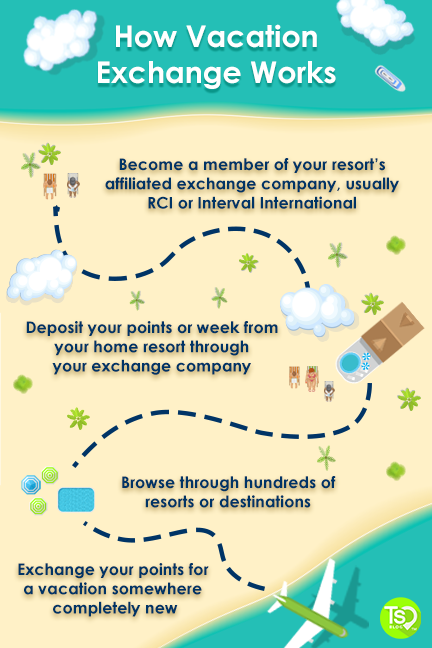
This fee simple ownership likewise generated timeshare area exchange business, such as Interval International and RCI, so owners in any provided area could exchange their week with owners in other areas. Cancellations, or rescission, of the timeshare contract, remain the market's most significant problems to date; [] the difficulty has actually been the topic of comedy in popular home entertainment. The industry is managed in all nations where resorts are situated. In Europe, it is managed by European and by national legislation. In 1994, the European Neighborhoods adopted "The European Directive 94/47/EC of the European Parliament and Council on the defense of buyers in regard of specific aspects of agreements connecting to the purchase of the right to use immovable residential or commercial properties on a timeshare basis", which went through recent evaluation, and resulted in the adoption on the 14th of January 2009 on European Directive 2008/122/EC.
The new policies are laid out in the Official Mexican Standard (NOM), which includes a series of official standards and regulations applicable to diverse activities in Mexico. The list below organizations were involved during the new standardization: NOM is officially called: "NOM-029-SCFI-2010, Commercial Practices and Details Requirements for the Making of Timeshare Service". It established the following standards: Marketing companies are not permitted to provide gifts and get for potential timeshare owners without wfg reach clearly defining the genuine purpose of the deal. The requirements to cancel a timeshare agreement must be more practical and less difficult. NOM recognizes the personal privacy rights of timeshare consumers.
Verbal pledges should be composed and established in the initial timeshare contract. The timeshare supplier needs to comply with all obligations written in the timeshare contract, as well as the internal guidelines of the timeshare resort. The charges that are planned to be made to the consumer must be clearly and clearly defined on the timeshare application, including the membership expense, and all extra costs (upkeep fees/exchange club fees). To make the new guidelines suitable to anyone or entity that supplies timeshares, the meaning of a timeshare provider was considerably extended and clarified. If the timeshare supplier does not follow the guidelines decreed in NOM, the consequences may be significant, and might include financial charges that can vary from $50.
00 Owners can: [] Utilize their use time Rent out their owned use Offer it as a gift Donate it to a charity (must the charity select to accept the concern of the how to sell my timeshare associated maintenance payments) Exchange internally within the very same resort or resort group Exchange externally into countless other resorts Sell it either through conventional or online marketing, or by utilizing a certified broker. Timeshare contracts permit transfer through sale, but it is seldom accomplished. Recently, with a lot of point systems, owners may choose to: [] Appoint their use time to the point system to be exchanged for airline tickets, hotels, travel bundles, cruises, amusement park tickets Rather of renting all their real use time, lease part of their points without in fact getting any use time and use the remainder of the points Lease more points from either the internal exchange entity or another owner to get a bigger system, more getaway time, or to a better place Conserve or move points from one year to another Some developers, nevertheless, might limit which of these choices are readily available at their respective homes.